



A Sellers Guide to Used Car Trade Ins
By CARCO - Thursday, 26 March 2026

If you’re ready to move on from your current car, you’ve got two main options: sell it yourself or sell/trade it to a dealership. Both paths can work well, but they suit different people and priorities.
In Perth & Melbourne, many sellers lean towards a dealer like CARCO because it’s quick, the paperwork is handled for them, and they can move straight into their next car. Others are happy to put in more effort to chase a higher price with a private sale.
This guide walks through how dealer offers are calculated, how trade-ins work, the real pros and cons of selling to a dealership vs privately, and simple steps to maximise what your car is worth, without overcomplicating it

How dealers value your car
Dealers don’t pull numbers out of thin air. They look at a mix of data: online market listings, condition reports, kilometres, and how easy your car will be to resell.
Key factors typically include:
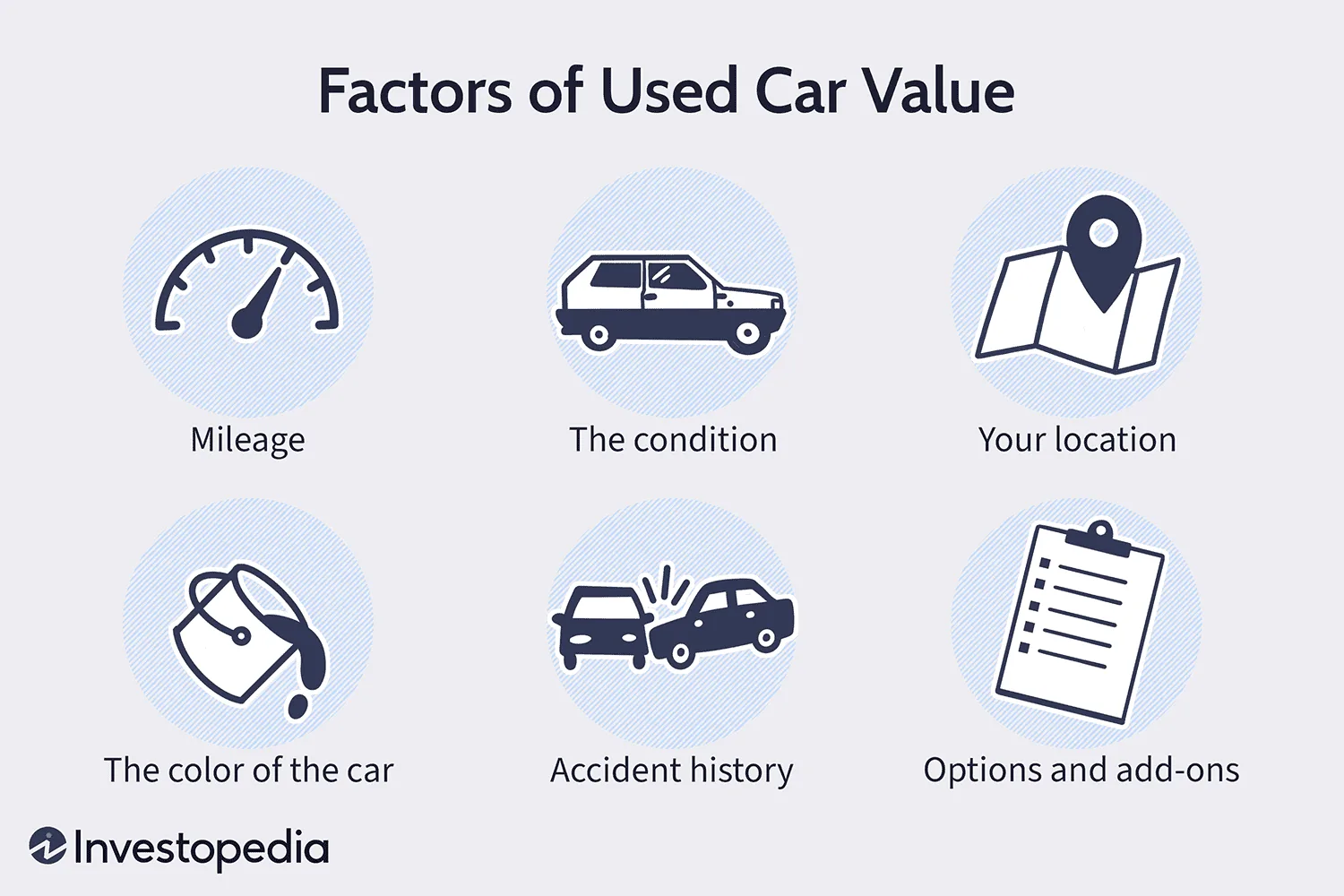
Age and kilometres – newer, lower‑km cars generally attract higher offers.
Service history – regular logbook servicing and receipts make it easier to justify a stronger price.
Make, model and specification – popular models, sought‑after trims and automatic transmissions often perform better.
Cosmetic and mechanical condition – paint, tyres, interior, and any obvious faults all feed into the valuation.
Market demand – if your type of vehicle is currently hot in WA, that can support better offers; if the market is soft, it works the other way.
Dealers also have to factor in reconditioning costs, warranty risk, holding costs and a realistic resale margin. That’s why trade‑in or “buy it now” offers are usually lower than optimistic private asking prices, but often closer to what a car will actually sell for after negotiations and advertising costs.

Selling to a dealership vs private sale
Pros of selling to a dealership
Selling to a licensed dealer is about convenience and certainty. You get a firm offer, clear paperwork, and don’t have to deal with tyre‑kickers, time‑wasters or unsafe meet‑ups.
Common benefits include:
Fast turnaround – many dealers like CARCO can inspect your car, make an offer and arrange payment within a short timeframe once the price is agreed.
Less admin – the dealer typically handles transfer paperwork and guides you on what ID/ownership documents you need to provide.
Safety – you’re dealing with a business in a fixed location instead of arranging test drives with strangers.
Finance payouts – if you still owe money on the car, dealerships can often work directly with your finance provider to pay it out as part of the transaction.
If you want a quick, straightforward sale, you can start with an obligation‑free valuation through the CARCO “sell my car” page and then bring the vehicle in for inspection.
Pros of selling privately
Private sale can sometimes bring a higher sale price because you’re dealing directly with the end buyer and there’s no wholesale margin in between.
However, you carry more of the workload:
Preparing and photographing the car.
Listing and managing ads, messages and calls.
Handling inspections and test drives.
Negotiating, taking payment safely and completing transfer paperwork.
Private sales often suit sellers who have time, are confident handling enquiries, and are comfortable holding out for the right buyer.
Which is “better”?
There’s no one right answer, what matters is your priority: maximum price vs minimum hassle and time. If you need the car gone quickly, are upgrading, or don’t want strangers coming to your home, selling to a dealer will usually make more sense.
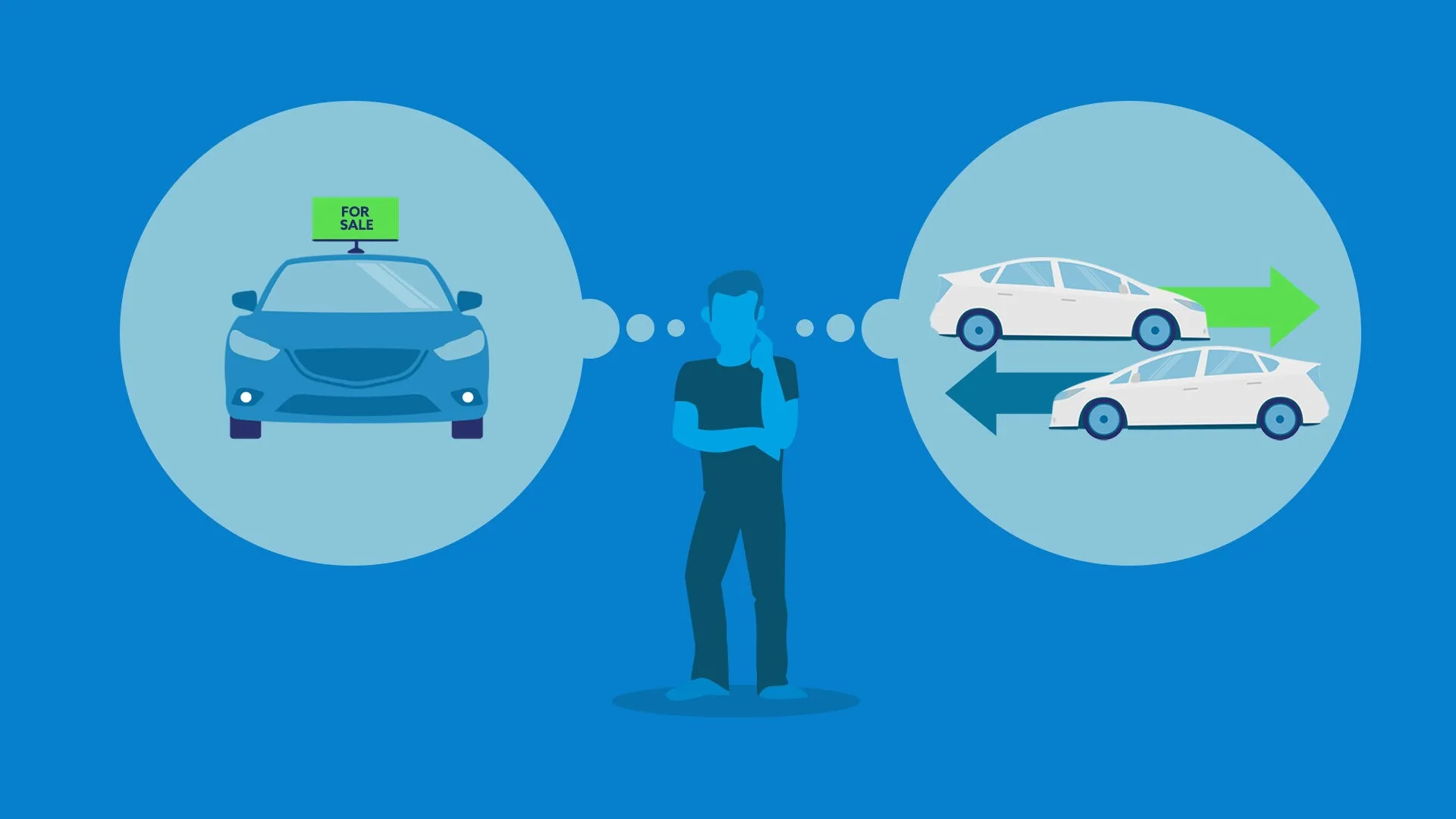
Trade-in vs selling your car outright
When you upgrade, you can either:
Trade in your current car as part of the deal on your next one.
Sell your car outright to a dealer or privately, then buy your next car separately.
With a trade‑in, the dealer values your current car and applies that amount towards the purchase price of your next vehicle. This can reduce how much cash you need up front and may help when structuring your finance.
Selling outright (either to a dealer or privately) can give you more flexibility. You might use the funds as a larger deposit on your next car, clear existing finance, or simply remove a vehicle you no longer need.
For many drivers, the cleanest path is to get a dealer valuation first, then decide whether the convenience and certainty are worth more than trying the private market yourself.
How to estimate your car’s value yourself
Before talking to dealers, it’s worth doing some homework so you have realistic expectations.
Steps you can take:
Check asking prices for similar vehicles on popular listing sites. Filter by year, engine, transmission, kilometres and condition, and focus on Perth/Melbourne where possible.
Remember that advertised prices are often higher than actual sale prices; buyers negotiate and sellers usually come down.
Factor in any issues your car has that others may not (warning lights, damaged panels, worn tyres, missing keys or logbooks).
If you still have finance, check your payout figure so you know whether you’re likely to have equity (car worth more than the payout) or negative equity (car worth less than the payout).
Online valuation tools and quote forms can give you a starting point, but the final number will depend on a physical inspection and the current market.
Practical ways to maximise your trade-in offer
Clean it properly – give the exterior a wash, the interior a vacuum, and wipe down surfaces. A clean, tidy car signals that it’s been looked after.
Fix small, low‑cost items – things like blown bulbs or very cheap interior trims can sometimes be worth addressing, as long as you don’t sink money into major repairs for minimal return. (If in doubt, ask the valuer whether it’s worth it.)
Gather all keys – having all available keys and remotes is a plus; missing keys often factor into the offer because they’re expensive to replace.
Bring your service history – logbooks and receipts give the buyer confidence and help justify a stronger price.
Research and Know Your Car's Value - Check your car's worth using instant valuations tools like the one available on CARCO's 'sell my car' page, as well as using platforms such as MyMoto. You can also look at classifieds (like Carsales) to see what similar cars are selling for privately.
What to expect during your car appraisal
When you bring your car to a used-car dealer, you’ll usually start with a quick chat about the vehicle, its history and why you’re selling. Then a buyer will walk around the car, check the interior, look at the tyres, and may take it for a short test drive
They’ll be looking and listening for:
Panel and paint condition.
Interior wear and tear.
Tyre and brake life.
Obvious mechanical issues, warning lights or unusual noises.
Once they’ve assessed the car and checked current market data, the buying team will present you with an offer. With a business like CARCO, payment is typically made via bank transfer once the paperwork is finalised, and they can also assist with paying out existing finance and handling registration transfer.

Quick take: which option suits you?
Want the highest possible price and don’t mind taking photos, listing online, and meeting buyers? Private sale can sometimes deliver more, but takes more time and effort.
Want a fast, low-stress sale with money in your account quickly, and you’re happy with a fair, market‑aligned offer? Selling or trading in with a dealer will usually be the more convenient path.
If convenience, safety and speed are your main priorities, getting a professional valuation and selling to a licensed dealer can be the simpler option. You can start with an online valuation here: https://www.carco.com.au/sell-my-car